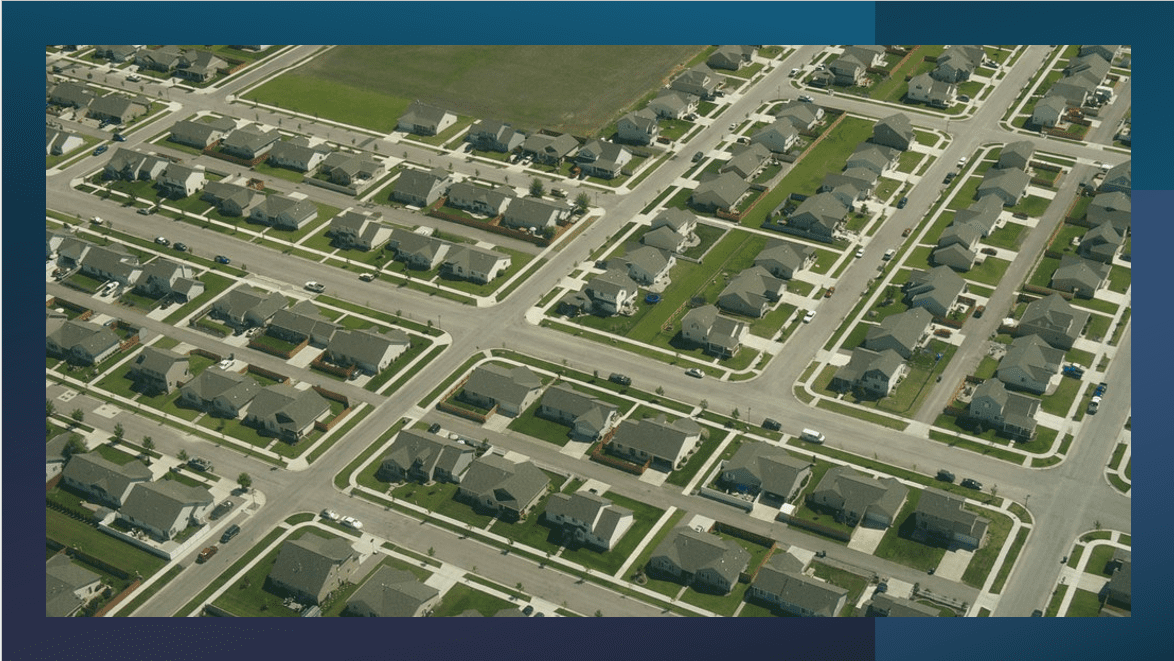
Local governments across the nation are facing mounting financial pressures. Rising costs for delivering municipal services, increasing costs to replace aging infrastructure, and growing community expectations have increasingly strained the fiscal sustainability of many communities, leaving them to wonder “What can we do to continue balancing the budget while maintaining service levels and driving critical programs or capital projects forward?”
Two pieces of legislation impacting tax incremental financing were recently adopted by the State Legislature and are waiting to be signed into law by Governor Evers. Provided the bills as enrolled are not vetoed, or partially vetoed, the following is an overview of the key provisions.
For many public entities, banking relationships are long-standing and rarely revisited. While that continuity can be valuable, today’s environment calls for a more intentional evaluation of whether your banking partner is truly delivering value. What was once primarily about processing transactions and minimizing fees has evolved into a broader assessment of financial strength, risk management, technology capabilities, and the ability to support meaningful returns on public funds.

As we close out the first quarter of 2026, it’s important to reflect on how economic and geopolitical developments abroad can impact monetary policy here at home. If the past few months have reminded us of anything, it’s that unknowns can introduce bigger and more immediate impacts to the global economy and financial markets than what we thought we knew before those headline events emerged.
Market conditions continue to prompt many developers of multifamily real estate development projects to seek public assistance to achieve financial feasibility. At the heart of the issue lies a delicate balance between three core financial components – construction costs, interest rates, and rental rates. Much like a three-pronged stool, these three elements determine the feasibility and profitability of a project.
Completing a conventional water rate case with the Wisconsin Public Service Commission (PSC) can be a complex and lengthy process. There are ways, however, that Wisconsin utilities can plan strategically to reduce delays and streamline the process. Read on to explore Best Practices to help you file efficiently and keep your review on track.
Call 800-222-4545 or e-mail info@ehlers.com.
A pioneer and regional leader in municipal advisory services since 1955, Ehlers helps clients build strong, vibrant and sustainable communities by delivering independent, integrated advice across all areas of public finance. We work with more than 1,500 local governments, schools, and public agencies across five states; placing our clients’ needs and best interests at the center of everything we do.